
Sampling Doesn’t Just Have to Create Value for Brands
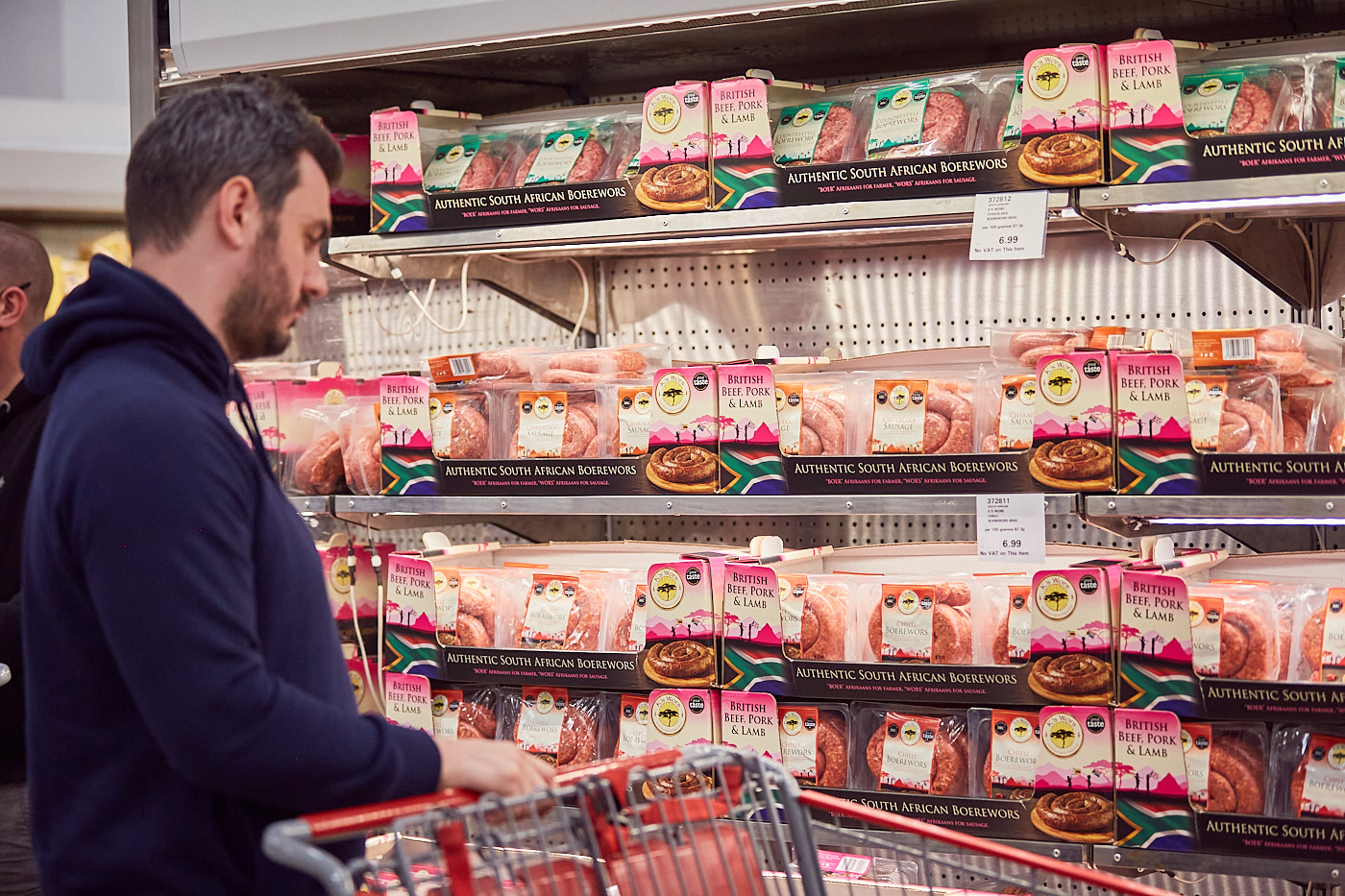
Retailers have always understood the value of the physical space they provide, especially to the brands they carry. From shelf positioning and feature ends to promotional displays and in-store media, every opportunity to influence shopper behaviour matters. So naturally, retailers invest heavily in creating environments that attract customers, drive engagement and encourage purchases. Similarly, suppliers are willing to invest in those opportunities because they know they work. It’s a well-established model.
So why doesn’t product sampling fall under the same umbrella?
Sampling is still one of the most effective ways to drive customers to trial new products, for retailers to influence purchasing decisions and to generate immediate sales. It’s proven time and time again to deliver measurable results. But while brands are benefiting from the increased awareness, engagement and conversion it generates, retailers should be asking one important question. If demo activity is creating value inside the stores, how can the retailer make sure they’re getting a share of that value too?
Retail Space Has Value
We don’t need to tell you that every square metre within a shop has a purpose. Nothing is by accident, and retailers carefully manage product placement, promotional activity and customer journeys because physical space is one of their most valuable commercial assets. On top of that, for suppliers if an activity within the retail space increase visibility, engage customers or drive sales, then the activity in that space has value. That’s why suppliers invest in:
- Promotional displays
- Feature space
- Secondary siting
- Digital screens
- Retail media networks
- Seasonal activations
Those opportunities are structured, measurable and commercially recognised, and we believe that sampling should be viewed in exactly the same way. After all, a well-positioned demo stand creates visibility and captures attention. It encourages interaction. And it provides a direct opportunity for brands to engage with shoppers at the point of purchase. In fact, it’s one of the most powerful forms of in-store media available, and retailers who don’t take advantage of it are missing a trick. Especially if they’re already monetising other areas of customer attraction, like sponsored placement, promotional campaigns or in-store screens.
A Structured Approach Benefits Everyone
The next question is, how to approach it? Because it isn’t just about introducing a charge to sample in your shop. To make it successful, you need to create a framework that works for both retailers and suppliers. A framework that puts retailers in control of the process, and builds a sampling programme around clear, transparent guidelines. In our experience, the most effective sampling programmes work when retailers define:
- Available demo locations
- Campaign criteria
- Operational standards
- Compliance requirements
- Measurement and reporting processes
- Commercial terms
Once a framework is in place, suppliers can gain access to a professional platform that lets them engage customers in a consistent and measurable way, while retailers get greater oversight, improved standards and a structured income stream from activities already happening in their store. It’s a win-win.
Demonstrating Value Through Measurement
One of the reasons retailers can successfully charge for the other forms of in-store media they do is because the value is easy to demonstrate. And honestly, sampling should be no different. Part of that programme framework should include monitoring and detailed reporting on:
- Customer interactions
- Product trials
- Sales performance
- Conversion rates
- Store-level activity
- Campaign outcomes
All of this data helps brands looking to sample understand the return on investment they can expect, and gives retailers a stronger foundation for developing long-term supplier partnerships. And most importantly, they take the conversations away from cost and towards value.
Make Sampling Part of the Retail Media Conversation
A lot of retailers aren’t just looking at how to plough more money into traditional advertising. They’re looking to explore new ways to create value from their physical estate, and sampling deserves a place in that conversation. It combines all of the strengths that brands are looking for, and unlike other methods, sampling allows customers to experience products for themselves before making a decision. That’s a level of engagement that few promotional activities can match, and retailers can use that to generate more supplier investment while enhancing the shopping experience for their customers.
There’s also potential beyond that. While yes, supplier income is important, the benefits go far beyond a single commercial transaction. For example, a structured sampling programme can help retailers:
- Improve the quality and consistency of in-store activations
- Strengthen supplier relationships
- Generate valuable performance data
- Enhance customer engagement
- Increase participation from brands looking to reach shoppers
In other words, you’re not just selling space. They’re creating a managed platform that delivers value for suppliers while contributing positively to the wider store environments. That partnership is what makes for strong success for retailer and supplier.
The debate shouldn’t really be whether retailers can charge for demo activity. Instead, it should be why they wouldn’t. Retailers already charge suppliers for access to valuable in-store promotional opportunities. They already recognise the commercial value of customer attention. And they already understand the importance of creating structured, measurable promotional platforms. Sampling fits naturally into that model, as long as retailers can create a clear framework that balances commercial objectives with operational standards and customer experience. At Fizz, that’s what we do best. We work with retailers to create structured sampling programmes that benefit everyone involved, and don’t cause a lot of headaches in the process. Then, we implement them too! If you’d like to know more, just get in touch with the team today.