
Retailers Already Control Promotions – Why Not Sampling?
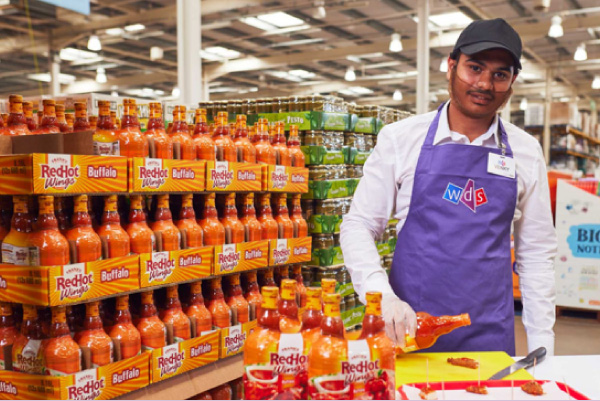
If there’s one thing retailers are very good at, it’s knowing how to monetise their stores. In the past, a big portion of their supplier income came from shelf listings, promotional activity and the occasional feature display. Today, the conversation is much broader, with media networks booming and promotions like digital screens generating revenue. Brands are still looking for that exposure to retailers’ customers, and are regularly investing heavily in sponsored placements and in-store visibility. All because retailers have recognised that their stores are very valuable media environments for brands.
But in all of that conversation, one area of shopper engagement isn’t discussed. Sampling. For years, product demonstrations have been viewed mainly as a service for suppliers. Brands pay to put their products directly into customers’ hands because they know that trial drives sales, and retailers are happy to facilitate the activity because it helps move more products off the shelves. The next logical step (and one most retailers haven’t taken yet), is for retailers to take control of the sampling platform, and treat it as the valuable media opportunity it is.
Harness Existing Value
What makes sampling interesting in this conversation is that retailers have arguably been giving away one of their most valuable income streams for years, without realising it. After all, think about what a product demonstration actually provides. A supplier gains:
- Access to customers inside a retail environment.
- A dedicated physical presence on the shop floor.
- Face-to-face engagement with shoppers.
- Visibility that stands out from surrounding products.
All at the exact moment that customers are primed to buy. If that sounds familiar, it’s because retailers already charge suppliers for activities that deliver a lot of the same benefits. Things like feature space, end caps, retail media placements, digital advertising and promotional displays. But the difference is that sampling delivers the same benefits more effectively than traditional media because it creates genuine interaction, instead of passive exposure.
The Pressure to do More With Less
As the economic climate gets ever more challenging, retailers are all looking for ways to maximise the value of their existing assets. But there is a limit to what they can do. Margins are getting smaller, operating costs keep rising, and competition for customer spend is intense. So the physical space in stores are under pressure to do more than ever before. They’re not just places to shop anymore. They’re also places to fulfil online orders, build loyalty, create experiences and showcase brands. In all of this, every activity needs to be evaluated and asked one, simple question. Is this creating value?
When it comes to sampling, it’s a clear yes! But in most models, that value is all sitting with the supplier. And in fairness, suppliers should benefit from successful sampling activations. But retailers should benefit too, because without the store, the footfall and the customer base, the opportunity wouldn’t exist.
Charging Doesn’t Mean Commercialising
In our conversations with retailers, something that comes up a lot is the worry that introducing charges around demo activity could discourage brands from wanting to participate. And it’s a fair concern. The point of charging shouldn’t be to make sampling harder, it should be the opposite!
The best supplier programmes create clarity for everyone involved. Brands get to know what opportunities and support is available, what it costs, and what they can expect in return. While retailers know that activity is being managed consistently and professionally. Everyone understands the rules, and knows what the benefits will be.
In practice, many suppliers are already comfortable with the model, because it’s how they already buy other types of retail exposure. All a structured sampling programme does is create transparency around an asset that already has value, and putting a clear price tag on it.
Interestingly, in our experience brands don’t always want complete freedom. They want certainty about what they’re buying, just like any other customer. They want to know where activity can take place, that standards will be consistent across stores, and that they will get reliable reporting and measurements of success. All of which a well-managed sampling programme can provide. When it’s done properly, suppliers are more than willing to invest in it.
Ultimately, this idea isn’t about introducing something new. It’s just about repackaging what already exists, and making sure the retailer gets to see the benefits of the activity happening in their stores. At Fizz Experience, we work with retailers to create complete sampling programmes that are appealing to suppliers, and then implement the Always On sampling approach to maximise their return on investment. If you’d like to know more about how that might look for you, just get in touch with the team today.