
The Hidden Cost of Ad Hoc Demos
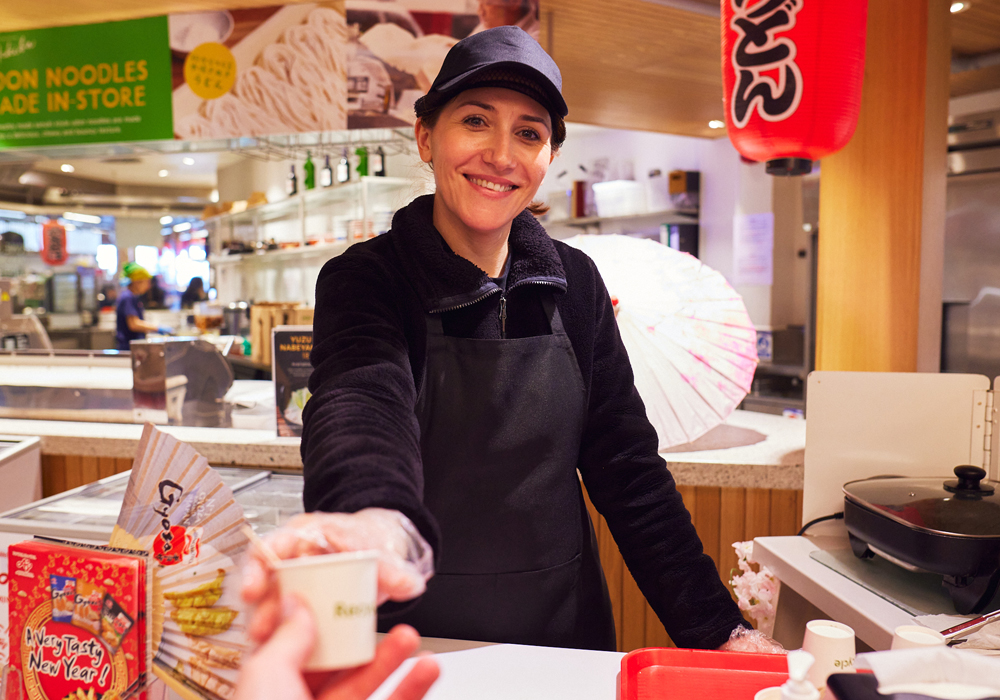
Every store manager has seen this scene unfold. A demo table appears on a Tuesday morning, slightly in the way of the fresh produce. The person behind it hasn’t been told where the power sockets are, or whether the product they’re sampling is actually on the shelf (let alone where it is). It causes traffic jams of customers, confusion and a headache for workers, and then by two o’clock it’s gone. Next week there’s a different table, a different person and a different brand. And nobody’s really sure who’s arranging all of this.
Let’s be clear, sampling isn’t the problem in this scenario. Sampling is one of the most effective things you can do in-store, and even in this scenario it will bring in awareness, footfall and money. The problem is how it’s organised, or how it isn’t. Because when demos are booked supplier by supplier, store by store with no shared framework, they stop being a shopper experience and start being a source of friction. In retail, friction has a cost, even if it never shows up in the figures.
What Supplier-Led Actually Looks Like
In a supplier-led model, each brand arranges its own sampling. It chooses its own agency, picks its own stores, sets its own date and applies its own standards. Each decision made makes sense to the supplier, but to a retailer, they now have 10 suppliers with 10 different approaches, 10 sets of ambassadors with 10 different ideas of what good looks like. It also means demos that appear randomly and vanish just as quickly, leaving the store with no time to prepare and having to deal with the consequences afterwards. It’s not exactly an ideal approach!
The Hidden Costs
When a retailer is dealing with a supplier-led model, it can be difficult to see the negative impact it’s having. Especially if you’re focused on having sampling on the shop floor, and not the structure behind it. So here are a few hidden costs we see retailers bearing all the time, often without realising it.
Time and goodwill: Someone has to find a space, check the booking, sort the power and answer questions on the day. When you multiply that across a week, a store, and a supplier list, it adds up to a steady drip of operational scramble that nobody budgeted for. Store teams who are already stretched start to dread the demo, rather than welcome it.
Unpredictable experiences: Shoppers like predictability, and you want to be able to provide an excellent experience across the board. So when one week there’s a brilliant, engaging ambassador and the next there’s someone standing silently behind a tray as if they’ve never seen it before, it gets confusing. Plus, hygiene, presentation and conversations all vary with whoever happened to turn up. Shoppers don’t separate the demo from the store (even if you do), so the quality of one reflects on the other.
Clashes and missed moments: Without a single calendar giving a whole view of sampling activities, you end up with demos that collide with deliveries, overlap with other promotions or two that site side by side in the same aisle. Plus, when suppliers can pick and choose their timings randomly, there’s no one on your side of things making sure that your best weeks and busiest days are covered.
Lost income: If space is allocated informally, priced inconsistently, or offered as a favour, you’re leaving money on the table. Money you would never leave there if it was an end-of-aisle display, for example. Retailers are already charging suppliers for other in-store media, and a demo in the same spot is no different.
Wasted sampling: Studies have found that in-store sampling has a sustained impact on sales, and that repeated sampling of the same product has a compounding effect over time. An ad-hoc approach to demos means there’s no chance for it to compound, and the shopper treats them as a novelty rather than a pattern.
A muddy picture: With suppliers running things, the feedback you get as a retailer is limited. Each supplier will get reports on their own demos in their own format, while you get whatever they send you. So you can’t really get a joined-up view of what worked, where or why. That makes it very hard to plan better, price smarter or say no to things that aren’t working.
Increased risk: Allergens, food safety, insurance, and hygiene standards are all supplier dependant. With so many variations, it becomes difficult to figure out who is accountable if something goes wrong, and that’s an uncomfortable position for any retailer.
Why Chaos Is So Common
We see all of that chaos fairly regularly, but it doesn’t happen because anyone’s doing a bad job. It happens because sampling is something that often sits between teams. It touches buying, category management, marketing and store operations, without belonging to any of them.
Now compare that to how you treat price promotions, fixtures or shelf placement. Planned, controlled and owned campaigns every time. Sampling is often the exception to this, run by default rather than design. And shoppers notice! When demos appear randomly all they see is a one-off. But if it’s there week after week, it becomes part of how the store feels, and builds that familiar, trusted feeling.
What Does Retailer-Controlled Look Like?
The biggest objection we get to implementing an always-on sampling strategy with retailers is that it means more work for them. On the surface, we understand where that’s coming from – having to organise and run it all does sound like it would be complicated! But in practice it’s the opposite. Taking control of your sampling is mostly just putting a simple structure in place, and having the right partner to deliver it.
To do that, all you need to do is:
- Decide who owns sampling.
- Define your zones, days and rules.
- Build one calendar.
- Set one delivery standard.
- Report back in one place.
- Price it properly.
The key is that a managed programme takes work off your store teams rather than adding to it. The planning, the people and the reporting are handled for you, while you keep control of the framework.
That’s the entire thought behind always-on sampling. Rather than a scattering of one-off demos, you get a planned, retailer-led programme that runs consistently across your estate and gives multiple brands a place to grow. That growth is what makes the model last, and brands keep coming back.
At Fizz we’ve worked with retailers for decades – one for over 30 years! Which tells you something about what happens when sampling is run as a partnership rather than a random seasonal offering. So yes, it might seem simpler to run an ad-hoc demo, but they cost you time, consistency, income and shopper trust. If you’d like to learn more about how an always-on sampling programme is the exact opposite, just get in touch with the team at Fizz today.